


A new type of boron nitride ceramic crucible with porous walls is now available for melting oxygen-sensitive alloys. This innovation allows gas to flow directly through the crucible wall during the melting process. The result is more effective removal of oxygen and other impurities from reactive metals like titanium, zirconium, and certain rare earth alloys.
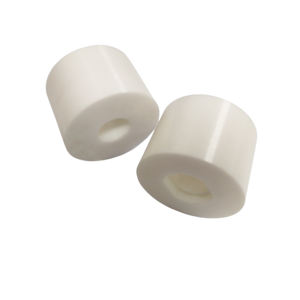
(Boron Nitride Ceramic Crucibles with Porous Walls for Gas Purge Melting of Oxygen Sensitive Alloys)
Traditional crucibles often trap gases inside the melt, which can lead to oxidation and defects in the final product. The porous structure of this new boron nitride design solves that problem. It lets inert gas pass evenly through the entire wall surface, creating a cleaner, more stable melting environment.
Boron nitride was chosen because it resists high temperatures and does not react with most molten metals. Its thermal stability and chemical inertness make it ideal for demanding applications in aerospace, medical implant manufacturing, and advanced electronics. The added porosity does not weaken the crucible. Instead, it maintains structural integrity while improving performance.
Manufacturers report fewer inclusions and better alloy consistency when using these crucibles. The uniform gas purge reduces surface tension issues and helps control the melt chemistry more precisely. This leads to higher yields and less waste during production.
The crucibles are made using a specialized sintering process that controls pore size and distribution. Each batch is tested for permeability and strength to ensure reliability. They fit standard induction and vacuum melting systems without requiring equipment changes.
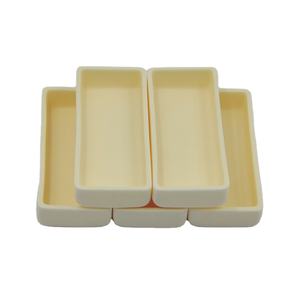
(Boron Nitride Ceramic Crucibles with Porous Walls for Gas Purge Melting of Oxygen Sensitive Alloys)
Companies working with reactive or high-purity metals can now achieve cleaner melts with less effort. This development marks a practical step forward in metal refining technology. It meets growing industry demands for efficiency and material quality without adding complexity to existing workflows.